

Forgot the Code to Your Safe? What Texas Homeowners and Businesses Need to Know
- Texas Premier Locksmith
- Serving All of Texas
 Licensed & Insured
- Fully Mobile
- Same-Day Service
- Price Confirmed Before We Start
- Mon–Sat 7am–10pm
 Licensed & Insured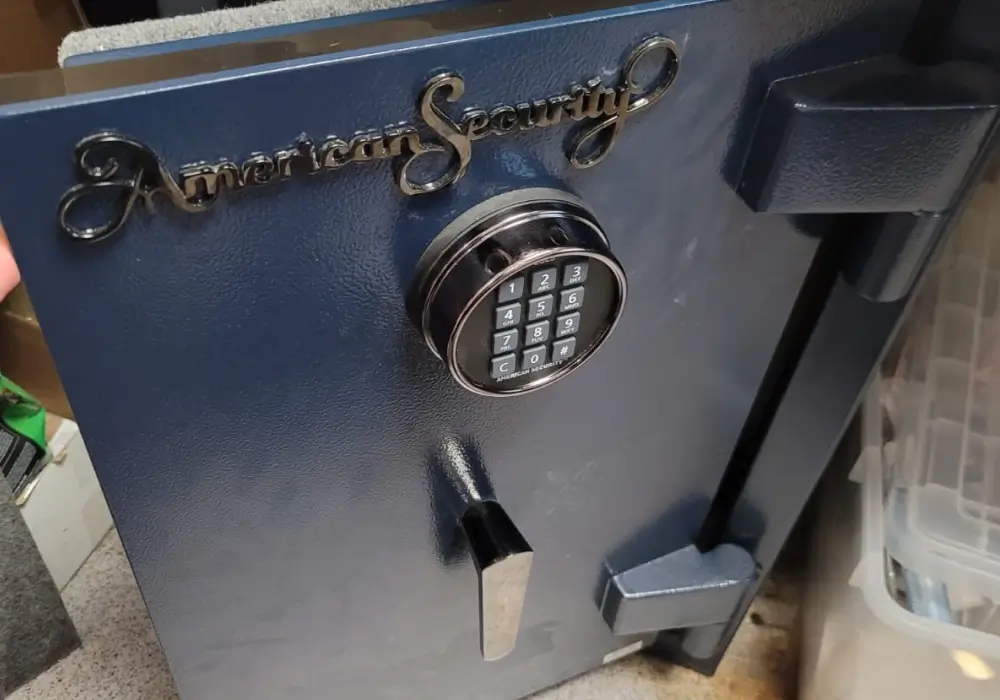
Forgetting the code to your safe is more common than most people admit. In fact, it’s one of the most frequent calls we receive at Texas Premier Locksmith. Whether you haven’t accessed your safe in months, recently inherited one, or simply have too many passwords to keep track of, it happens to the best of us.
Whatever the reason, being locked out of a safe is stressful, especially when important documents, jewelry, firearms, cash, or business records are inside.
Here’s the good news: in most situations, your safe can be opened without destroying it.
Before you do anything, take a moment to gather a few details:
- The make and model
- The serial number
- The type of lock (digital keypad, dial, biometric)
You can usually find this information inside the door, on the back of the unit, or stamped along the door frame. Having this ready makes everything easier, whether you’re contacting the manufacturer or calling a locksmith.
In This Article
What We Cover
Know Your Safe Type First
Not all safes work the same way. And the right solution depends entirely on the locking mechanism. Today’s safes generally fall into a few categories:
1
Electronic (Digital) Keypad Safes Most common in modern homes and offices
Electronic (Digital) Keypad Safes are the most common in modern homes and offices. They use a digital PIN and are battery-powered. These often have factory default codes or a hidden override keyhole built in for emergencies.
If you have an electronic safe, try these steps first:
- Replace all batteries with fresh, high-quality alkaline batteries
- Check for a hidden key override (often behind logo or keypad cover)
- Wait out the lockout timer if you entered the wrong code multiple times
- Check the manual for reset instructions
2
Mechanical Combination Dial Safes Older and higher-security commercial models
Mechanical Combination Dial Safes use a physical spinning dial with no digital components. These are found in older and higher-security commercial models.
Opening these typically requires:
- Careful manual manipulation by a trained locksmith
- Contacting the manufacturer directly
- Precision drilling (if manipulation fails)
3
Biometric Safe Fingerprint scanner with PIN backup
Uses fingerprint scanning, and usually a PIN backup, to grant access. If the scanner fails or your fingerprints aren’t being read, the secondary keypad or override key is your next step.
- Clean the sensor
- Replace batteries
- Try backup PIN
- Use override key
- Use secondary keypad if available
Once you’ve identified your safe type, you’re ready to work through your options.

Try These Steps Before Calling Anyone
1
Check for a Factory Default Code
If you never changed the original code, there’s a chance the default combination still works. Some brands ship with simple presets.
Search your brand name along with “factory default code” to verify.
2
Look for an Override Key
Many electronic safes, and some mechanical ones, come with a physical backup key that bypasses the combination entirely.
The keyhole is often hidden beneath a small cover or panel, typically below the keypad or on the side of the safe. Check your owner’s manual if you’re unsure where to look.
If you find the key, you’re in. Once the safe is open, you can reset your code to something that you will actually remember.
Need Help Opening Your Safe in Texas?
Our licensed technicians always attempt non-destructive methods first. Call us and we will walk you through your options before dispatching anyone.
Your Options If You’ve Forgotten the Code
If you have forgotten the code to your safe, you still have a few options for gaining entry. The simplest solution is to reset the code. Depending on the manufacturer and type of safe, you may be able to enter an override code, or your locksmith may be able to access a reset switch inside the safe with a special tool.
If there is no way to override the code, striking or shaking the safe is unlikely to restore access and may damage the locking mechanism. Stop before forcing it and contact the manufacturer or a locksmith who regularly works on safes.
If your safe has a combination dial, opening it without the combination is a skilled job. A locksmith who regularly works on safes may be able to read the dial, but even then, a well-built safe can take time to open. If you do not know the combination, call a locksmith who works on safes rather than relying on a video.
If you don’t have a combination dial, your locksmith may be able to drill a hole in the safe and insert special tools to manipulate the lock. When performed professionally, this method is controlled and repairable.
If you need urgent access and every nondestructive option has failed, destructive entry may be the last resort. It is likely to damage the safe and can cause serious injury, so it should only be handled by a professional locksmith with the right equipment. They can choose the method best suited to the safe and limit the damage to what is necessary to gain access.
Why “Bouncing” Doesn’t Work on Modern Safes
The original exploit: Older safes used simple spring-loaded bolt mechanisms. The bolt was held in the locked position by spring tension alone. A sharp impact could momentarily compress or jostle that spring, causing the bolt to briefly retract, and if you were jiggling the handle at exactly the right moment, the door would open.
The “bouncing” technique (striking the top of the safe while jiggling the handle) was based on this real vulnerability.
Here’s why it no longer works on modern safes:
- Relockers: If a safe detects physical impact or tampering, the relocker triggers and adds an additional layer of locking that can only be released from inside. Bouncing a modern safe can actually make it harder to open, not easier.
- Hardened steel bolt systems:Modern bolt mechanisms are made from hardened steel with tight tolerances. There’s no spring flex to exploit.
- Anti-impact locking mechanisms: Many mid-range and higher safes are specifically tested and rated for impact resistance. Manufacturers know about the bouncing technique and engineer against it.
- Electronic locks: For safes with digital keypads, there’s no mechanical spring to jostle in the first place. The bolt is controlled by a solenoid or motor that only responds to a valid electronic signal.
When it still might work: Only on very old, very cheap safes with basic spring-bolt construction and no relockers, the kind you might find at a garage sale or in a vintage piece of furniture. On anything purchased in the last 10–15 years from a reputable brand, bouncing will accomplish nothing (or actively lock you out further).
Do Not Attempt This
Striking a safe door can permanently trigger internal relockers, damage the contents inside, significantly increase repair costs, and even void the manufacturer’s warranty. Modern safes are built with advanced anti-tamper mechanisms, which means forced entry attempts often make the situation worse.
Safe opening today requires precision, proper tools, and professional expertise, not force. That’s why we strongly recommend contacting a trained locksmith to handle the job safely and correctly.
Contact the Manufacturer
One option many people overlook is simply calling the safe’s manufacturer. Most major brands, including Sentry Safe, Liberty Safe, Honeywell, and Stack-On, have a dedicated process for locked-out owners.
When you call, you’ll typically need to provide:
- Your safe’s serial number and model number
- Proof of ownership, such as a purchase receipt or a notarized form (requirements vary by brand)
Once your identity is verified, some manufacturers may provide the original combination, send a replacement override key, or walk you through a factory reset. Processing times vary by brand, so ask how long it will take when you contact them.
Pro Tip
Register your safe with the manufacturer now, even if you haven’t needed this service yet. It takes just a few minutes and makes future recovery significantly faster.
What a Professional Locksmith Can Do
When DIY methods and manufacturer support aren’t enough, a certified locksmith who specializes in safes is your best next step. Modern locksmiths have several techniques available that don’t require destroying your safe:
A
Safe Manipulation
A skilled locksmith can “read” a mechanical combination dial safe by carefully analyzing the internal wheel pack without drilling or damaging anything. This is the gold standard for non-destructive entry, though it takes skill and time.
B
Scoping
The locksmith drills a very small, precisely targeted hole in a specific location on the safe body and uses a borescope, a thin fiber optic camera, to view the internal locking components and guide them into the open position. The hole is professionally plugged afterward, and the safe remains functional
C
Precision Drilling
For high-security or damaged safes where manipulation isn’t viable, drilling through the lock mechanism grants access. Depending on the safe model, a locksmith can often re-lock and repair the safe after entry. A locksmith may drill a small, precisely targeted hole in a specific location to access the locking components. This allows for bolt retraction, lock bypass, or controlled manipulation of the internal mechanism. Once the safe is opened, the hole is professionally repaired, and the lock can be replaced if necessary.
This is not random drilling, it is a highly controlled, technical procedure that should only be performed by a trained, competent, and experienced locksmith.
When choosing a locksmith, make sure they are licensed and insured in your state and have specific experience with safes, not just door locks. Ask upfront whether your safe can be repaired after entry, and get a written estimate before work begins.
This is just as important for a business safe as it is for a home safe, commercial safes often hold more critical contents and should be handled with the same level of care and professionalism.
Know When Destructive Entry Is Actually Necessary
This is something every safe owner – residential or commercial – should understand before calling a locksmith, because not every locksmith will exhaust all options before reaching for a drill.
A professional, ethical locksmith should always attempt non-destructive methods first: safe manipulation, scoping, and override key recovery. Destructive entry should only come up when everything else has been ruled out.
Destructive entry is rare and typically used only when:
- The safe is extremely low qualityand not worth the labor cost of manipulation
- Internal relockers are permanently engageddue to prior tampering or a failed break-in attempt
- Severe physical damage to the safe’s exterior or bolt work
- Fire damage that has warped or fused the locking mechanism beyond recovery.
Red Flag to Watch For
Destructive entry is always the last resort. If a locksmith arrives, glances at your safe, and immediately recommends drilling without attempting manipulation or asking about an override key, that is a red flag. A trustworthy locksmith will explain what they’ve tried, why it didn’t work, and why drilling is now the necessary next step.
At Texas Premier Locksmith, we always pursue the least invasive method first and will never recommend destructive entry unless it is genuinely the only remaining option. Your safe, and your wallet, deserve that standard of care.
How to Prevent This from Happening Again
Once you’re back inside your safe, take a few minutes to protect yourself from a repeat lockout situation:
Write the Combination Down and Store It Safely
Keep your combination in a safety deposit box, a password manager app, or with a trusted family member. Never store it inside or directly on top of the safe.Register Your Safe with the Manufacturer
This creates an ownership record tied to your serial number and makes future recovery significantly faster if you’re ever locked out again.
Store Your Override Key Somewhere Memorable
Keep it with other important documents or leave a copy with someone you trust — somewhere accessible to you but not obvious to others.
Set a code that’s memorable but not obvious
Avoid birth years, repeating digits, or any number tied to easily researched personal information. Choose something you’ll remember without writing down, but that others couldn’t guess.
Replace Your Batteries Yearly
Electronic keypad safes run on batteries, and a dead battery can lock you out just as effectively as a forgotten code. Make it a habit to swap them once a year, even if the keypad shows no signs of weakness.
Consider upgrading older locks.
If your safe is more than 10–15 years old, the locking mechanism may be outdated and more prone to failure. Older electronic locks are especially susceptible to keypad malfunctions and component wear. Upgrading to a modern electronic keypad, biometric lock, or high-quality mechanical dial improves both reliability and security.
Have your safe serviced periodically.
Just like a car, a safe benefits from routine maintenance. A certified locksmith can inspect the bolt work, lubricate moving parts, and catch developing issues before they become costly problems. This applies to both home and commercial safes — commercial safes in particular see heavier daily use and benefit from more frequent attention.
Consider Upgrading the Entire Safe
If your safe is old, rusted, or structurally compromised, a full replacement is often the smarter long-term investment. A modern safe offers higher fire and burglary ratings, more reliable electronics, faster access, and is built to current security standards. This is especially worth considering for commercial settings, high-value item storage, or any situation where long-term protection is a priority. If you’re already spending money on repeated repairs or locksmith calls, that money may be better put toward a safe built for the long haul.
Written By
TPL
Texas Premier Locksmith Team
Texas Licensed Locksmith — License #B17236The Texas Premier Locksmith team consists of licensed technicians with real experience handling lockouts, key replacements, and security upgrades across Texas. Our content is based on actual service scenarios, helping customers understand costs, processes, and what to expect before calling a locksmith.
“Texas Premier Locksmith is a licensed locksmith company in Texas (License #B17236) serving customers since 2011.”
Ready to Get Started?
If you are ready to form a relationship with a reliable, trustworthy locksmith, contact Texas Premier Locksmith today at (866) 948-8188. We serve homeowners and businesses throughout Texas with licensed, insured safe opening, combination recovery, and safe repair services — for all major brands and safe types.
Texas Premier Locksmith provides safe opening services for: Residential safes, commercial safes, gun safes, wall and floor safes, fireproof safes, and deposit safes.
Serving Dallas, Austin, Killeen, Temple, Waco, Abilene, San Marcos, Corpus Christi, College Station, and surrounding areas. Explore our commercial locksmith services to see how we can help.
Texas Premier Locksmith



Austin, Dallas, Houston, San Antonio, Waco, Killeen, Temple, San Marcos, College Station, Corpus Christi, Longview, Abilene, and surrounding Texas communities.
Common Questions About Safe Lockouts in Texas

Can a locksmith open my safe without damaging it?
Often, yes. Many safes can be opened using non-destructive techniques like manipulation and scoping. Destructive entry is a last resort, not a first step.
Can I reset the code without opening the safe?
In most cases, no. Reset buttons are located inside the safe and require it to be open first.
What if I lost both the code and the key?
A locksmith can still help using professional methods. It may take longer, but it’s not a dead end.
How Much Does It Cost to Open a Safe?
Safe opening costs vary depending on the type of safe, the type of lock it has, whether drilling is required, whether the service is an emergency or scheduled appointment, and your location. Attempting DIY entry can significantly increase the cost if damage occurs. In most cases, calling a professional early is more affordable than repairing damage later.
How Long Does Safe Opening Take?
Time depends on lock type, safe quality, prior damage and security features.
General timeframes for safe opening:
- Simple digital reset: 20–30 minutes
- Electronic bypass: 30–60 minutes
- Dial manipulation: 1–3 hours
- Drill-and-repair: 1–2 hours
High-security safes and commercial vaults may take longer.