

 Licensed & Insured
- Car Key & Fob Specialists
- Serving All of Texas
- Mon to Sat, 7am to 10pm
 Licensed & Insured
 Published On:May 17, 2022

Last Updated:
So, what exactly is a key fob?
Most of us press a button, or just walk up to the car and hear it unlock, without thinking twice about the little device doing the work. That device is a key fob, a small electronic gadget that locks, unlocks, and often starts your vehicle without a key ever sliding into a slot. Most people carry one for years without really knowing what is inside it or how it does its job.
At Texas Premier Locksmith, we cut, program, and replace these all day, so here is a straight, up-to-date look at what a key fob is, the different kinds you will run into, how the technology actually works, and how to keep yours safe. If you already know you need a new one, we will point you to the right place along the way.
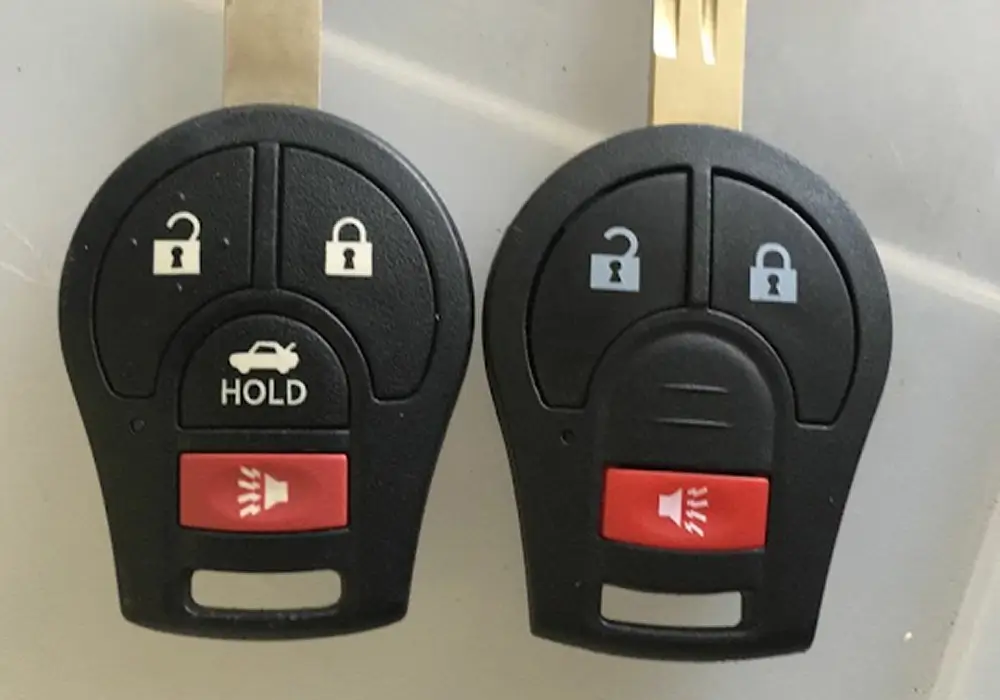
What a key fob actually is
A key fob is a small handheld device that controls your vehicle wirelessly, so you can lock, unlock, and on most newer cars start the engine without putting a physical key into a lock or ignition. The name goes back to the little ornament people once hung on a pocket-watch chain, though today it just means the small electronic device clipped to your keys. Some fobs still hide a metal blade inside for backup, which is there so you can still get into the car if the fob’s battery or the car’s battery dies completely. Others are pure electronics, and the newest ones live inside your phone.
The same word covers the plastic tag you tap to get into an apartment building, an office, or a gym. Those talk to a wall-mounted reader instead of a car, but the idea is identical, a small device that proves who you are to a lock electronically. Most of what follows is about vehicle fobs, since those are what we get asked about most, though the building version runs on the same principle.
The main types of key fobs
People say “key fob” for several different tools, and they do not all work the same way. Knowing which one you carry makes everything else, from batteries to programming to replacement, much clearer.
- Remote key fob: the button type, with lock, unlock, trunk, and panic, and sometimes remote start. You press, it sends a signal, the car responds. Many still include a fold-out or slide-in metal key for the door or ignition.
- Transponder fob: a remote with a small chip inside. The buttons handle the doors, and the chip is what lets the engine start, since the car checks for it before it will run.
- Proximity or smart key: the push-to-start kind. You leave it in a pocket or bag, the car senses it as you walk up, the doors unlock on a touch, and you start the engine with a button. No pressing at all.
- Phone or digital key: the newest option, where your phone or smartwatch becomes the key through the carmaker’s app or, on supported vehicles, Apple Wallet or Google Wallet. Tesla, Ford, Lincoln, and a growing list of brands support it.
- Building or access fob: the tap-to-enter tag for offices, apartments, and gyms, which speaks to a door reader rather than a vehicle. Most of these use RFID or NFC rather than the encrypted systems found in modern cars.
How a key fob works
Underneath the plastic, a fob is a tiny radio. Press a button and it sends a coded signal on a set frequency to a receiver in the car, telling it to lock, unlock, or open the trunk. A proximity key does the same thing on its own, sending out a short-range signal the car is always listening for, which is how the handle unlocks the instant you touch it.
Starting the engine is a separate step, and this is the part most people never realize. The chip in a transponder or smart key trades an encrypted code with the car’s immobilizer, and the engine only turns over if that code is right. It is why a spare that was cut but never programmed might open the doors and then leave you sitting there when you press start. Opening the car and starting it are two different conversations.
When it’s just the battery
A lot of fob trouble comes down to nothing more than a tired coin-cell battery, the flat, watch-style kind that lasts a few years. When it fades, the range drops and the fob gets less reliable, and a fresh battery often brings it right back. In fact, plenty of people mistake a weak battery for a failing fob, since the first symptom is usually reduced range rather than the fob quitting all at once. Swapping it is usually a quick, inexpensive job you can do at home.
If a new battery does not fix it, the problem is likely inside the fob, and that calls for a closer look rather than guessing. We break down every warning sign that a fob is failing, and when it is time to replace one, in our full guide to car key fob replacement. Start there if yours has been acting up.
Expert Tip
One thing that surprises people is how many “dead” key fobs are not dead at all. Far more often than not, the culprit is a worn battery, a cracked shell, or tired buttons, not the electronics inside. Before you assume the worst and pay for a full replacement, it is worth ruling out the simple stuff first.
How to keep your key fob secure
Modern fobs are far more secure than the early remotes, and it helps to know why. Button remotes use a rolling code, which means the signal is different every single time you press, so an old captured signal is worthless and the fob cannot simply be grabbed out of the air and copied.
The risk to understand is with proximity keys, because they are always broadcasting. Thieves can use a relay device to catch that signal from a fob sitting near your front door and pass it out to the car in the driveway, tricking it into believing the key is right there. It is not an everyday event, but it does happen. You can stop it cold by keeping the fob in a signal-blocking pouch or box, or simply away from doors and windows overnight. A growing number of newer vehicles now use ultra-wideband, which measures the key’s exact distance and shuts this trick down on its own.
Lost or broken? Your options
If your fob is cracked, dead, or gone, you have more choices than a trip to the dealership. A locksmith can cut and program a replacement for most makes and models on site, usually for less than a dealer and without towing the car. If you still have one working fob, this is the moment to add a spare, since programming a second key while you have a working one is far quicker and cheaper than starting over once every key is gone. And if every key is already gone, that all-keys-lost situation takes a little longer, since the new fob has to be paired to the car from scratch, which is the same work we cover in making a key when there is nothing to copy.
If you want to go deeper on the parts that trip people up, these help: how a transponder key works and why programming matters, how to program a key fob, and what fob programming costs.
Need a Key Fob Cut, Programmed, or Replaced?
Our licensed technicians handle key fobs for nearly every make and model across Texas, on site and usually for less than the dealership. Lost your only fob, or stuck with a dead one? Call (866) 948-8188 or request service and we’ll come to you.
Written By
TPL
Texas Premier Locksmith Team
Texas Licensed Locksmith — License #B17236
We are Texas Premier Locksmith, and cutting, programming, and replacing key fobs is daily work for our technicians across Texas, from Tyler and Killeen to Temple and beyond. This guide reflects what we see at the car every day, written to help you understand what you are carrying and what to do when it stops behaving.
Key Won’t Turn in Your Front Door Lock? Here Is What Is Actually Wrong
Residential · BLOGKey Won't Turn in Your Front Door Lock? Here Is What Is Actually Wrong Texas Premier Locksmith Serving All of Texas Licensed & Insured, TX #B17236 All Makes & Models Mobile Service to Your Location Mon to Sat, 7am to 10pm [post_updated label="Last...
Doorknob Turns But the Door Won’t Open? Here Is What Has Failed
Residential · BLOGDoorknob Turns But the Door Won't Open? Here Is What Has Failed Texas Premier Locksmith Serving All of Texas Licensed & Insured, TX #B17236 All Makes & Models Mobile Service to Your Location Mon to Sat, 7am to 10pm [post_updated label="Last...
How to Stop Package Theft at Your Front Door
Residential · BLOGHow to Stop Package Theft at Your Front Door Texas Premier Locksmith Serving All of Texas Licensed, bonded & insured TX License #B17236 Mobile service across Texas Mon to Sat, 7am to 10pm Why...
The Best Smart Lock for Your Corpus Christi Airbnb
Residential · BLOGThe Best Smart Lock for Your Corpus Christi Airbnb Texas Premier Locksmith Serving All of Texas Licensed, bonded & insured TX License #B17236 Mobile service across Texas Mon to Sat, 7am to 10pm [post_updated label="Last Updated:" format="F j,...
Texas Premier Locksmith



Frequently Asked Questions

What is the difference between a key fob and a transponder key?
The key fob is the remote that locks and unlocks the car, and sometimes starts it. The transponder is the chip inside that talks to the car’s immobilizer so the engine will start. Many fobs today are both in one device, but the door signal and the starting chip are doing two separate jobs.
Is a key fob the same as a smart key?
A smart key is one kind of key fob. “Key fob” is the umbrella term for the electronic remote, while a smart or proximity key is the specific push-to-start type you keep in your pocket and never press. A basic button remote is also a key fob, just an older and simpler style.
Can a key fob from one car work on another car?
No. Every fob is programmed to talk to one specific vehicle, so a fob from another car, even the same make and model, will not unlock or start yours until it is programmed to it. That pairing is what ties the fob to your car’s system.
Can a key fob be copied or hacked?
A button remote uses a rolling code that changes with every press, so it cannot simply be copied from a captured signal. The main real-world risk is a relay attack on always-on proximity keys, which you can prevent by keeping the fob in a signal-blocking pouch or away from your doors at night.